
CAD Design Service
PT Tensor team has been delivering mechanical design service since 2013 with speciality in CAD Design
Professional CAD design services help companies transform engineering concepts into precise digital models that are ready for analysis, prototyping, and manufacturing. Computer-Aided Design (CAD) plays a critical role in modern product development by enabling engineers to create accurate three-dimensional models, detailed assemblies, and production-ready drawings.
Our CAD design services support companies across various industries in developing mechanical components, industrial equipment, and complete product systems. By combining engineering expertise with advanced CAD tools, we help ensure that designs are functional, manufacturable, and optimized for performance.
Our CAD Design Capabilities
Our CAD design services cover the full engineering workflow, from concept modeling to detailed production drawings.
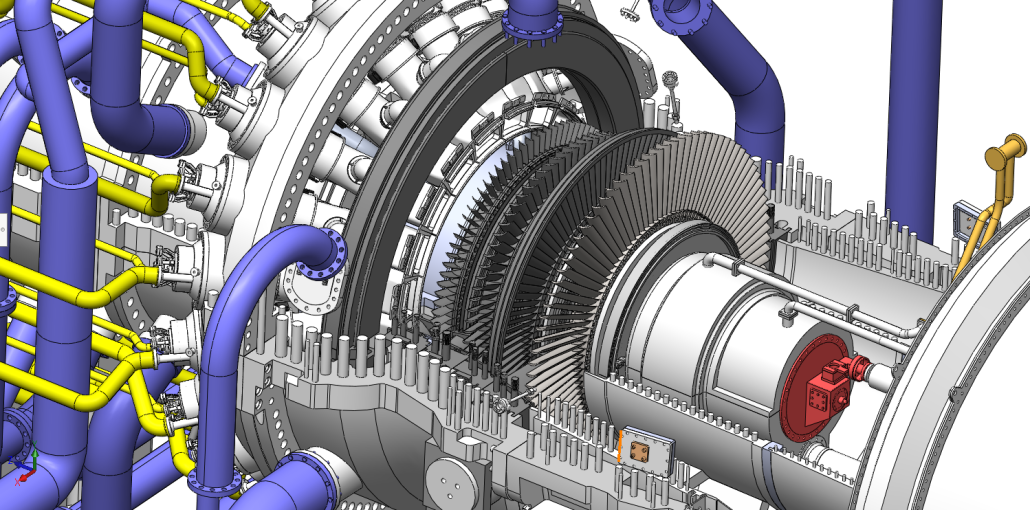
3D CAD Modeling
We create precise three-dimensional models that represent the geometry and structure of mechanical components and assemblies. These models serve as the foundation for engineering analysis, product visualization, and manufacturing preparation.
Typical deliverables include:
-
Parametric 3D models
-
Mechanical assemblies
-
Design configurations
-
Geometry suitable for simulation and manufacturing
3D CAD models allow engineers to evaluate design concepts quickly and modify parameters efficiently as design requirements evolve.
Mechanical Component Design
Many engineering projects require custom mechanical components designed to meet specific performance requirements. Our team assists with the design of components used in machinery, industrial systems, and product development.
Examples of components include:
-
housings and enclosures
-
brackets and structural supports
-
rotating components
-
machine elements
-
mechanical linkages
Each component is designed with attention to mechanical performance, material selection, and manufacturing feasibility.

Assembly Design
Complex mechanical systems often consist of multiple interacting components. CAD assembly design enables engineers to visualize how components fit together and evaluate mechanical motion or interference.
Assembly design services include:
-
assembly modeling
-
interference detection
-
motion analysis
-
assembly documentation
This process helps identify potential design issues early in the development process.

Engineering Drawings and Documentation
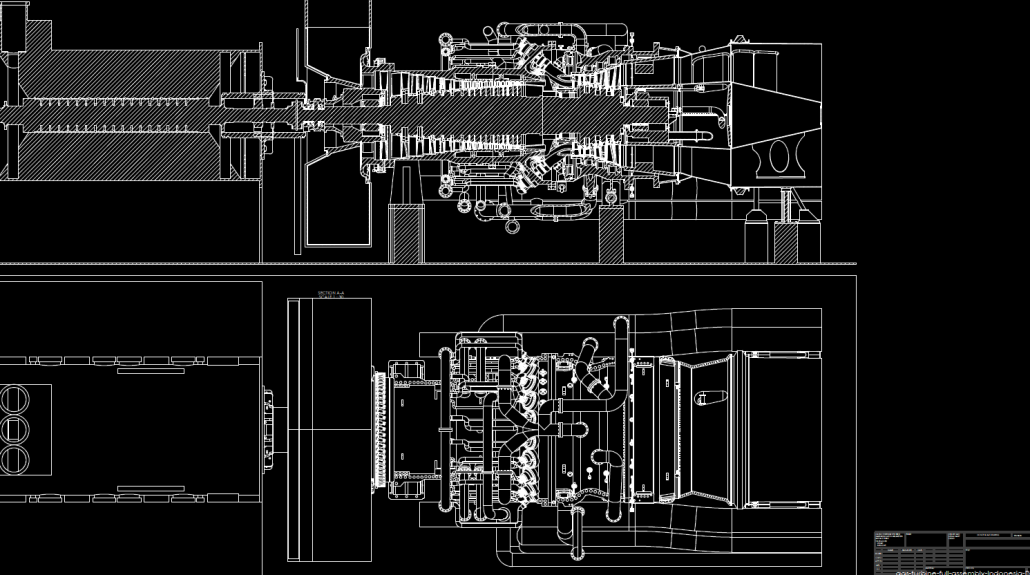
Manufacturing requires detailed technical documentation. We generate production-ready engineering drawings that clearly define geometry, tolerances, materials, and assembly instructions.
Typical documentation includes:
-
2D engineering drawings
-
dimensioned component drawings
-
assembly drawings
-
bill of materials (BOM)
-
manufacturing notes and tolerances
These drawings help ensure accurate fabrication and efficient communication between engineers and manufacturers.
Design for Manufacturing (DFM)
A well-designed CAD model should consider the manufacturing process from the beginning. Our CAD design approach incorporates manufacturing constraints to ensure that components can be produced efficiently and cost-effectively.
Design considerations may include:
-
machining constraints
-
sheet metal fabrication rules
-
injection molding guidelines
-
casting design requirements
-
additive manufacturing considerations
By integrating manufacturing knowledge into the CAD design process, we help reduce production costs and minimize design revisions.

CAD Model Optimization
Engineering designs often require optimization to improve structural strength, reduce weight, or enhance system performance. CAD models can be refined through iterative design improvements based on engineering requirements.
Optimization strategies may include:
-
geometry simplification
-
weight reduction
-
structural reinforcement
-
improved assembly efficiency
These improvements contribute to more reliable and efficient mechanical systems.
Industries We Support
Our CAD design services support engineering teams and manufacturers across many industries.
Examples include:
-
industrial machinery and equipment
-
energy and power systems
-
HVAC systems
-
robotics and automation
-
automotive components
-
aerospace components
-
consumer product development
-
renewable energy technologies
Each industry presents unique engineering challenges, and CAD design must be adapted to meet the specific functional and manufacturing requirements.
Typical CAD Design Projects
Our CAD design services are commonly used in projects such as:
-
machine component development
-
product housing design
-
equipment frame structures
-
industrial equipment assemblies
-
prototype product development
-
reverse engineering and redesign
-
design updates for legacy equipment
These projects benefit from accurate digital models that allow engineers to evaluate and improve designs before manufacturing begins.
CAD Design Workflow
A structured design workflow helps ensure efficient project development and clear communication with clients.
1. Requirements Definition
We begin by understanding the engineering requirements, performance targets, and manufacturing constraints.
2. Concept Modeling
Initial CAD concepts are created to explore potential design solutions and evaluate feasibility.
3. Detailed CAD Development
The selected concept is developed into a detailed parametric CAD model with precise dimensions and assemblies.
4. Design Review and Refinement
The design is refined based on feedback, performance considerations, and manufacturing requirements.
5. Documentation and Delivery
Final CAD models and engineering drawings are prepared for manufacturing, analysis, or further engineering development.
Advantages of Professional CAD Design
Using professional CAD design services provides several advantages in product development and engineering projects.
Key benefits include:
-
accurate digital representation of designs
-
faster design iterations and modifications
-
early detection of design conflicts
-
improved collaboration between engineers and manufacturers
-
reduced development time and prototyping costs
These benefits help companies accelerate product development while maintaining engineering quality.