
Improving the Flow of an Exhaust Pipe for a Duct System
< 1 Hour Design Iteration
90% Material + Manufacture Cost Reduction
In HVAC duct systems, exhaust pipe design plays a critical role in determining overall system performance. Poorly designed exhaust geometry can lead to excessive pressure drop, increased fan power requirements, and unwanted noise caused by turbulent flow. In this case study, a series of CFD simulations were conducted to evaluate and optimize exhaust pipe geometry using a fast and practical workflow using tensorHVAC-Pro.
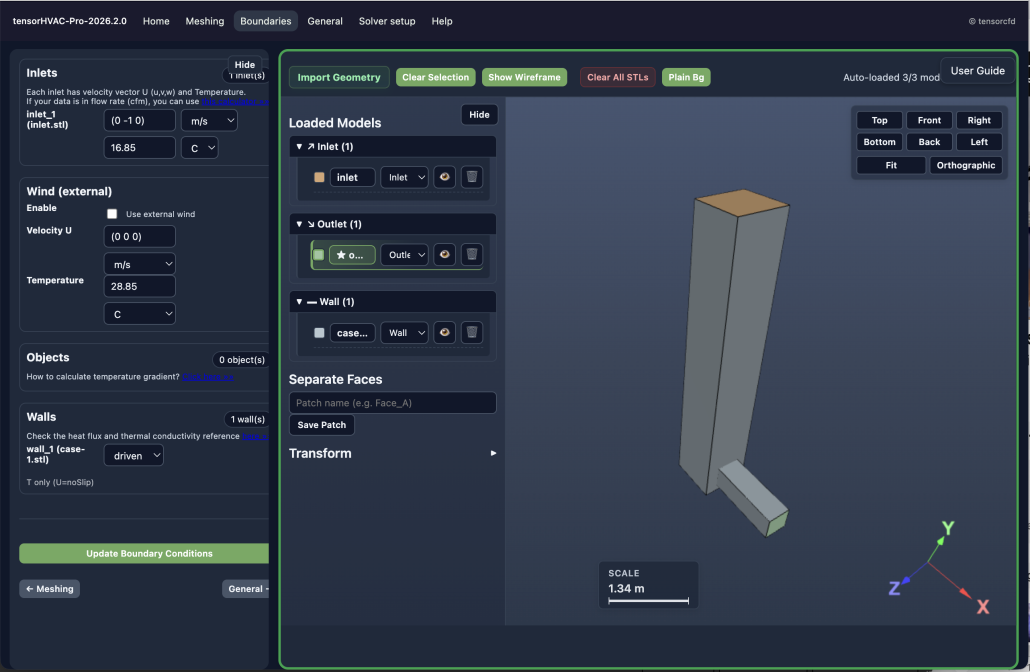
A total of 10 different exhaust pipe geometries were tested with the objective of reducing pressure drop and minimizing noise generation due to turbulence. Each simulation was completed in approximately 2 minutes, allowing rapid iteration without complex setup. This enabled engineers to focus on comparing results, understanding flow behavior, and making informed design decisions rather than spending time on simulation configuration.
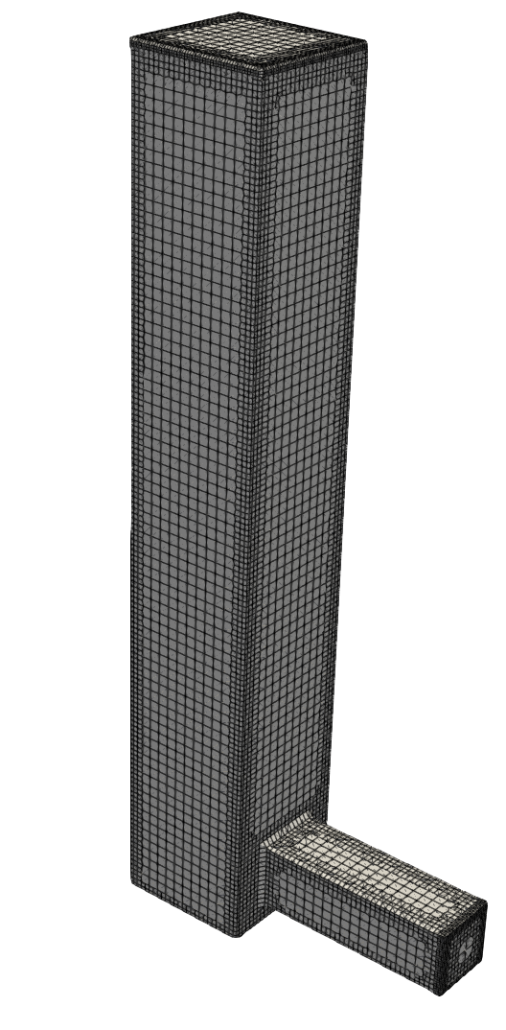
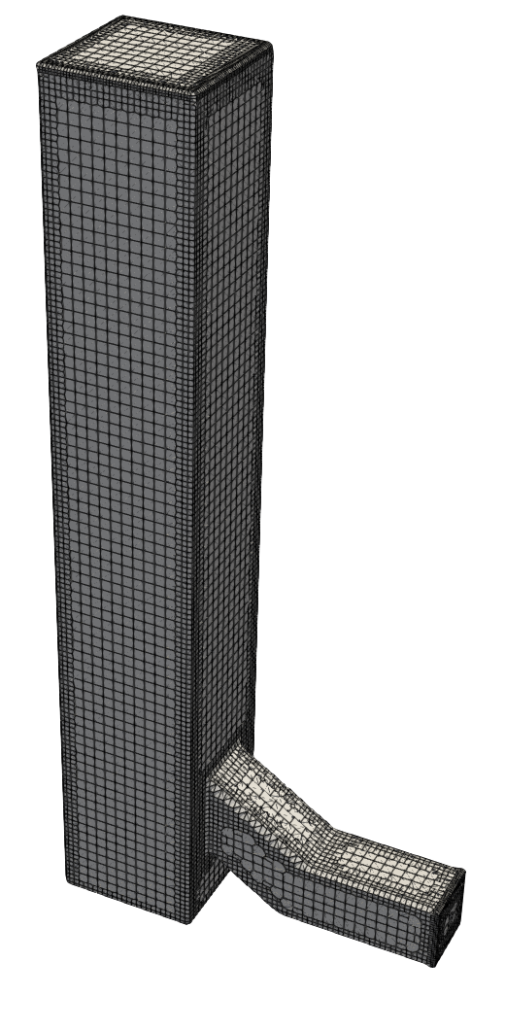
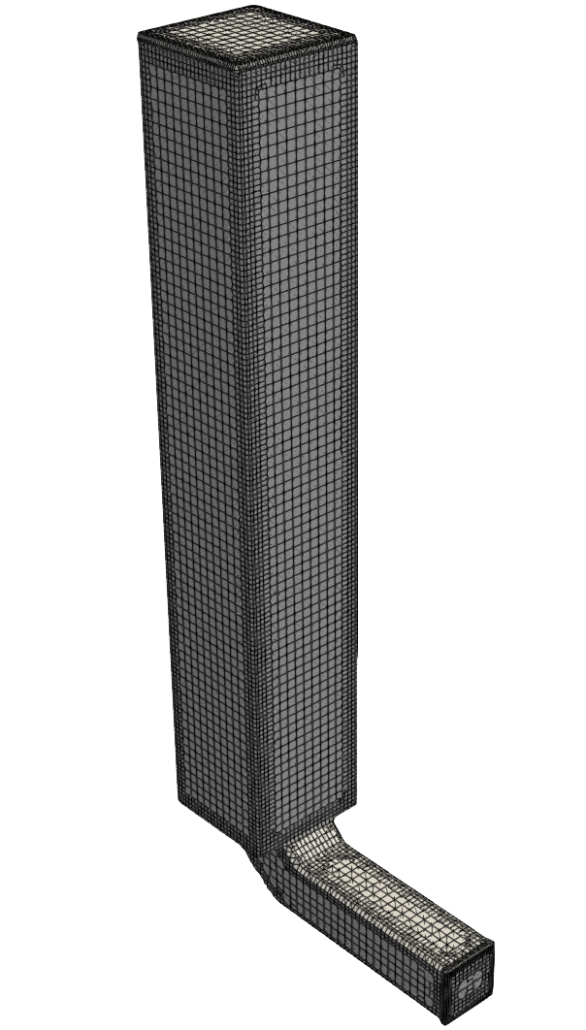
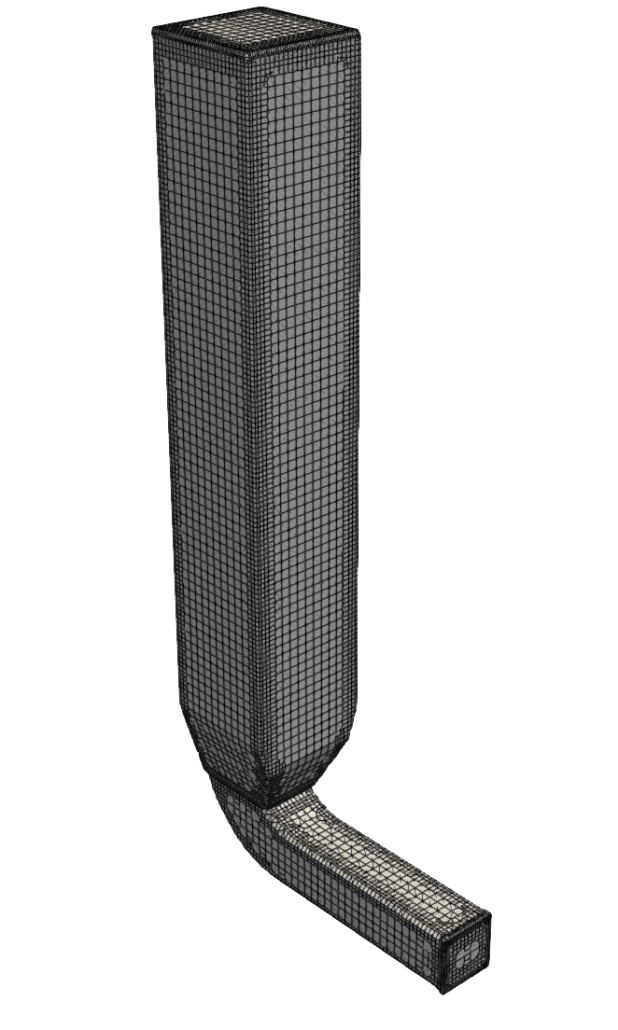
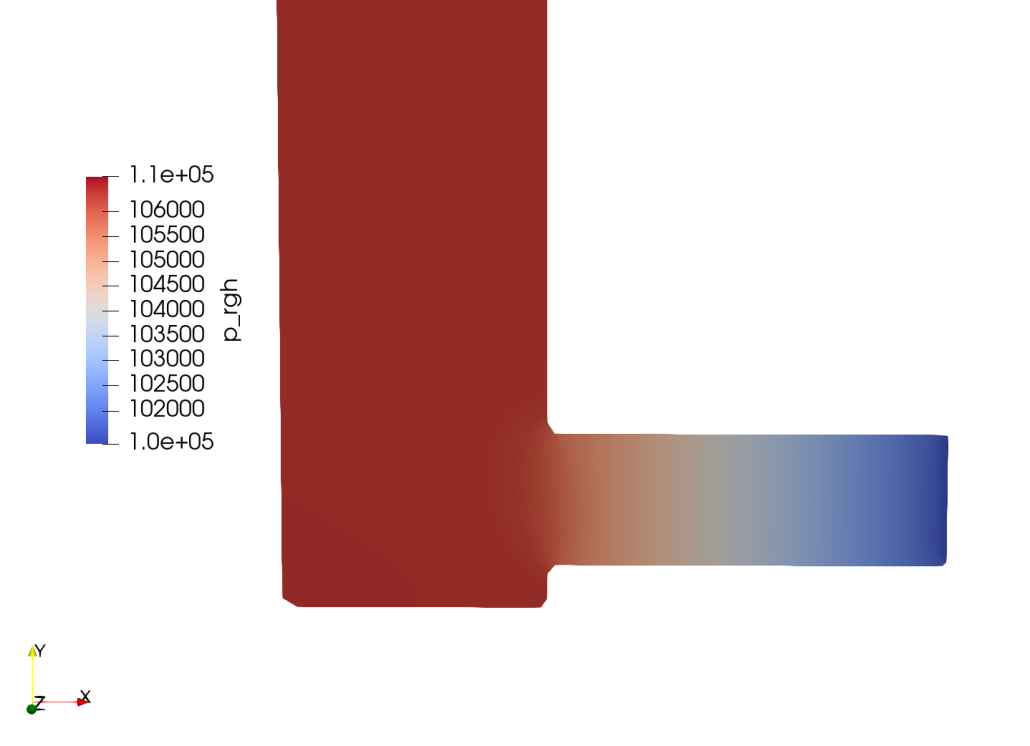
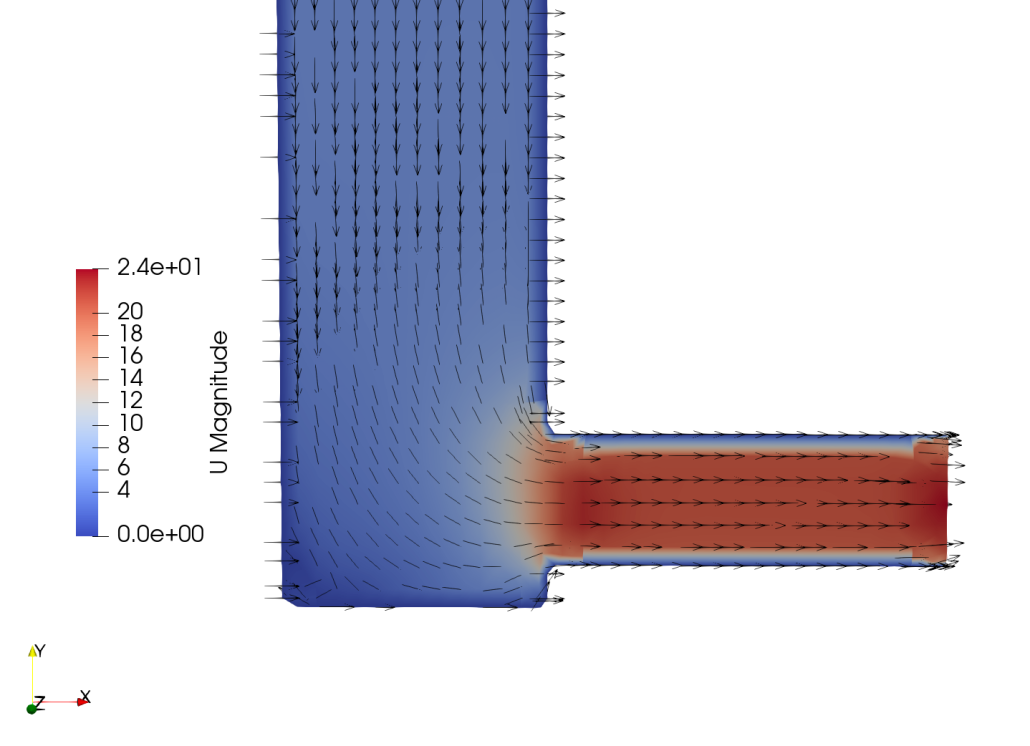
The baseline design, referred to as Case 1, represents a standard exhaust pipe geometry commonly used in practice. At first glance, the design appears acceptable based on conventional design rules. However, CFD simulation revealed significant flow separation and recirculation zones near bends and transitions. These regions created high turbulence intensity, which is a major contributor to flow-induced noise. In addition, the separated flow increased pressure losses, reducing overall system efficiency.
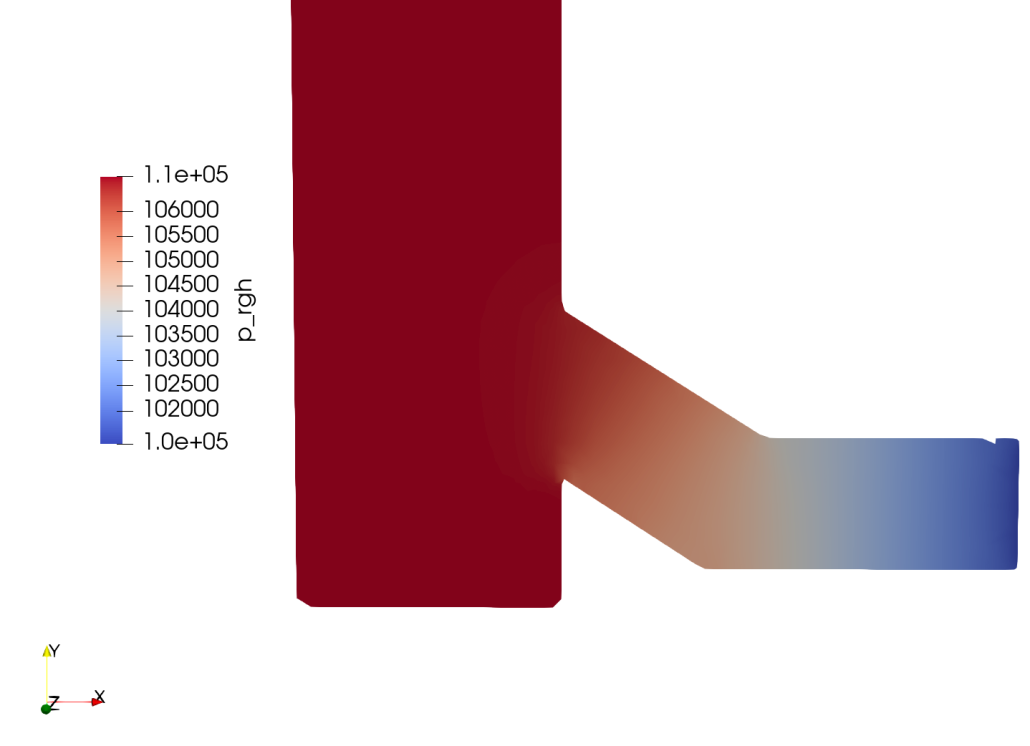
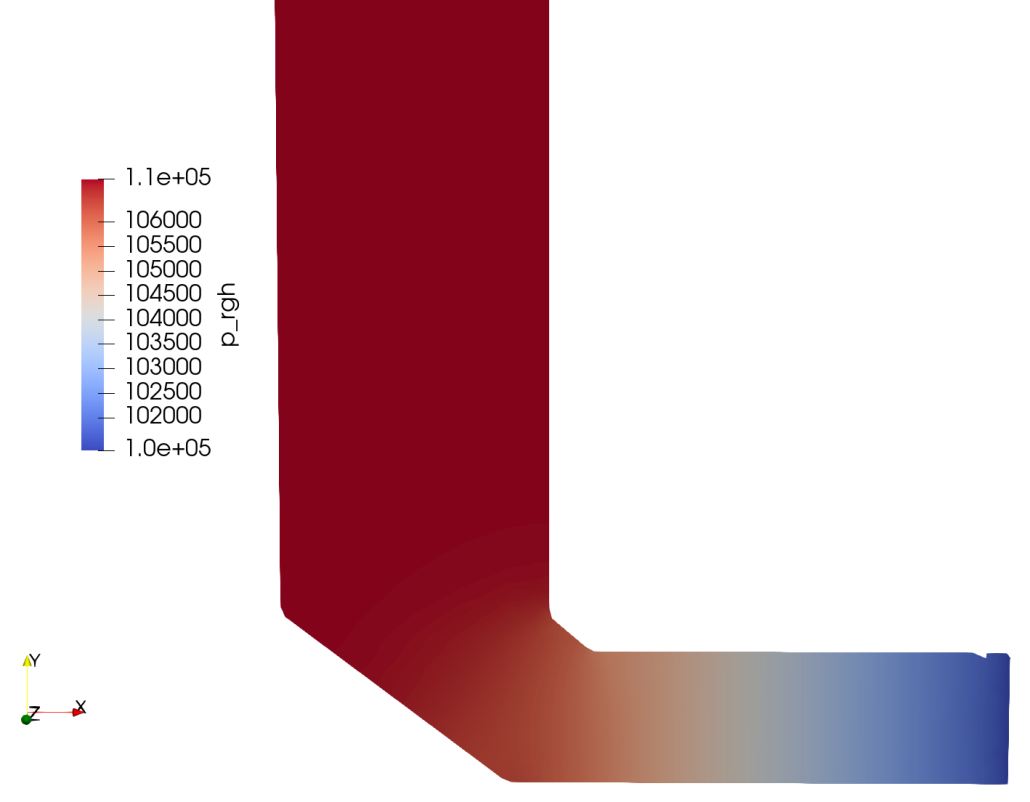
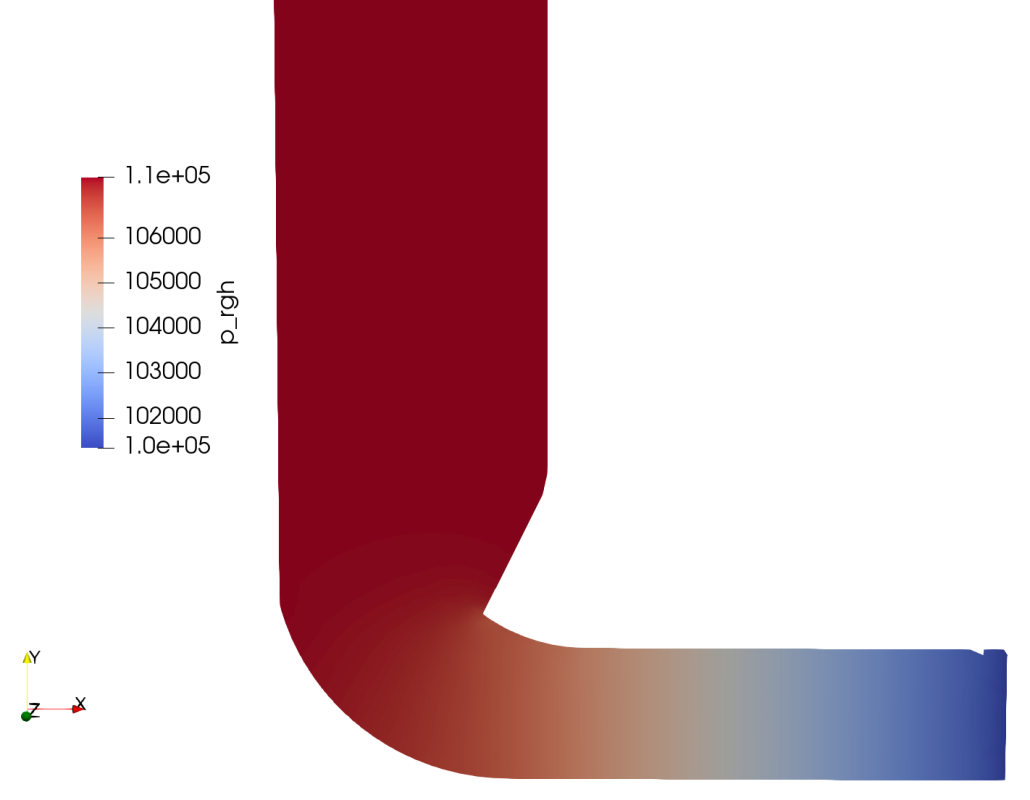
Several alternative geometries were then evaluated to improve flow characteristics. Among them, Case 4 initially appeared to be the most promising based on visual inspection. The geometry featured smoother transitions and a more gradual change in flow direction, which intuitively should reduce turbulence. However, CFD results revealed a different story. Despite its clean appearance, Case 4 introduced unexpected flow acceleration and localized turbulence in critical regions. This resulted in a higher pressure drop compared to other cases. Furthermore, the design required additional material and more complex manufacturing, making it less practical despite its visual appeal. This highlights how intuitive design improvements do not always translate into better performance.
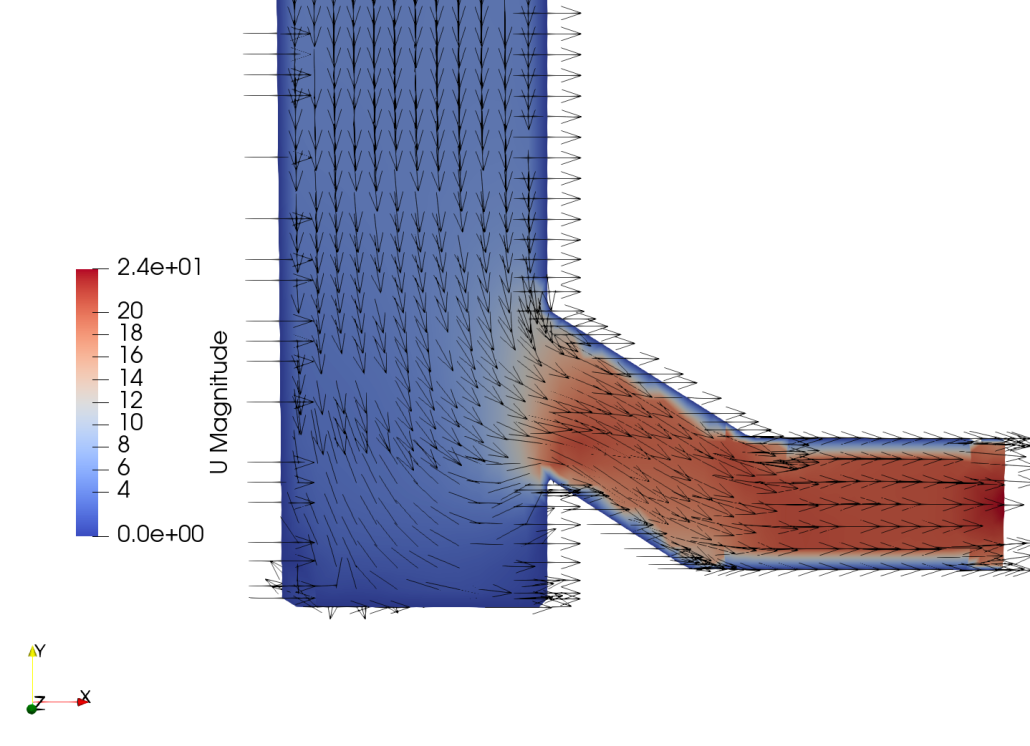
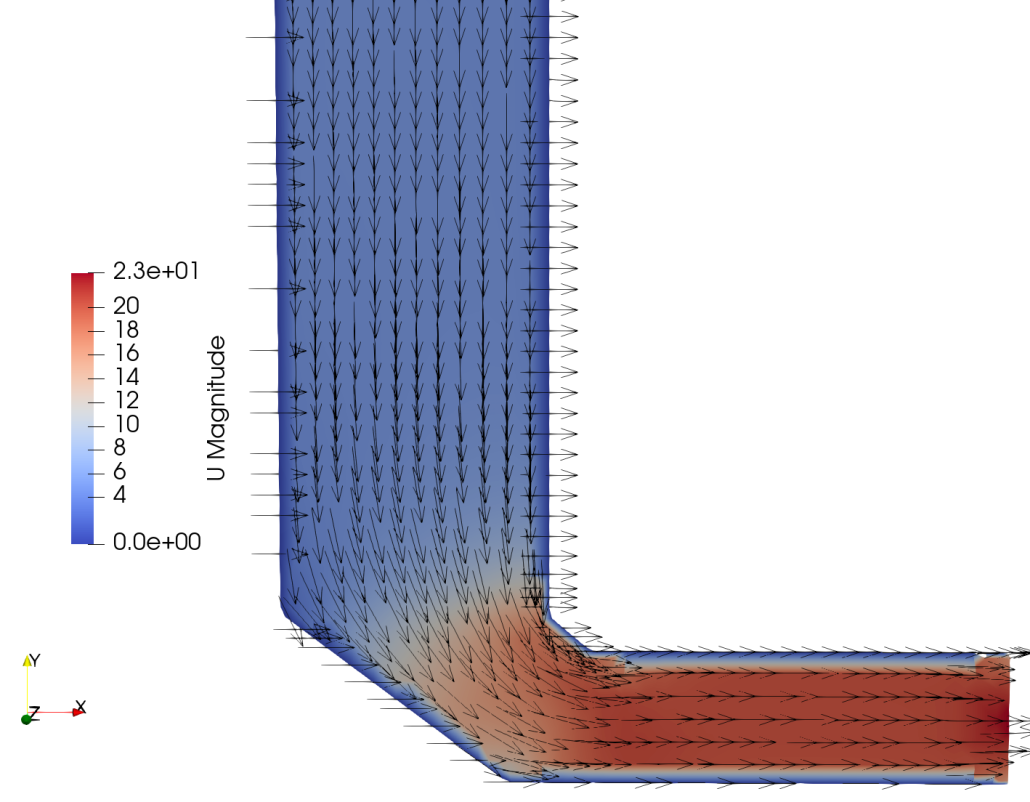
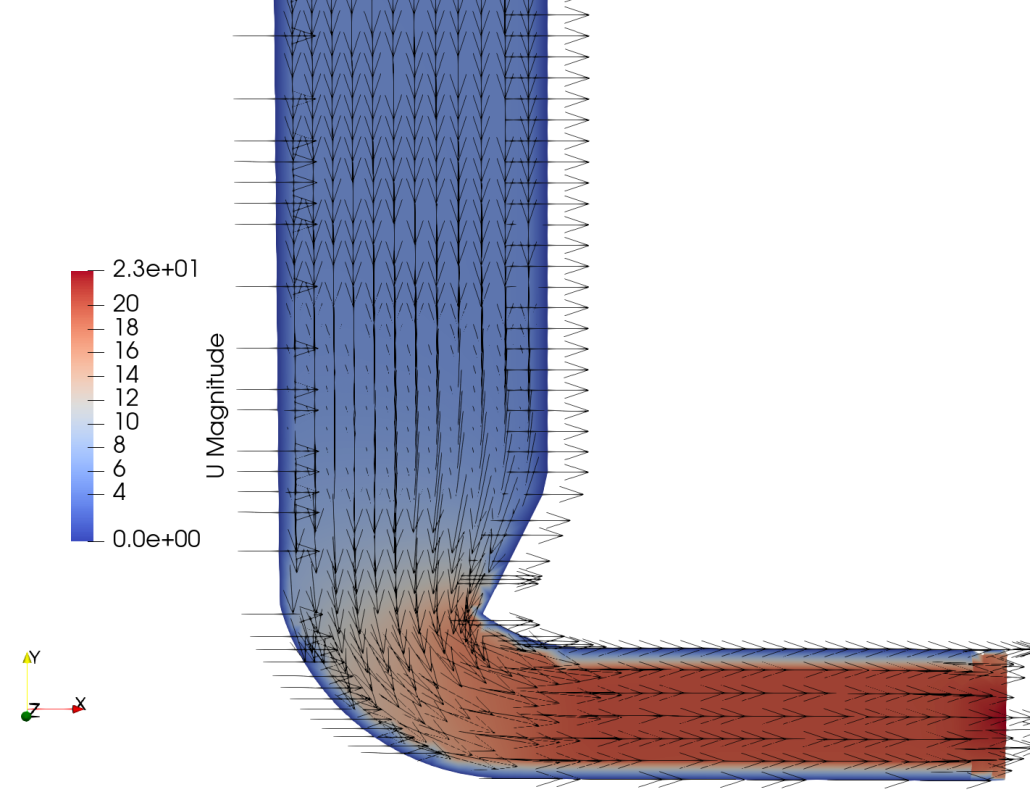
Case 3 emerged as the optimal design among the tested configurations. CFD simulation showed that this geometry effectively minimized flow separation and maintained a more uniform velocity profile throughout the pipe. Turbulence levels were significantly reduced, leading to lower noise generation. At the same time, pressure drop was minimized, improving overall system efficiency. Importantly, Case 3 achieved this performance without introducing additional manufacturing complexity, making it both technically and economically optimal.
This study demonstrates the importance of using CFD simulation in duct system design. Relying solely on intuition or standard practices can lead to suboptimal solutions or hidden performance issues. By quickly evaluating multiple design options, engineers can uncover non-intuitive flow phenomena and identify the best-performing configuration.
Using tensorHVAC-Pro, this entire analysis can be performed efficiently without complex setup. Engineers can simulate multiple geometries in minutes, visualize airflow behavior, and directly compare key performance indicators such as pressure drop and turbulence. This approach enables faster decision-making, deeper understanding of flow physics, and ultimately better HVAC system design.