
Welcome to PT Tensor!
PT Tensor provides engineering design and simulation services to support the development of industrial products and mechanical systems. The company works with clients in various industries to help transform engineering ideas into practical designs that can be analyzed, optimized, and prepared for manufacturing. By combining engineering analysis with modern design tools, PT Tensor supports companies in developing reliable mechanical solutions that meet both performance and production requirements.
Mechanical design plays an important role in modern product development. A successful design must consider not only geometry and function but also structural strength, thermal performance, fluid flow behavior, and manufacturability. PT Tensor approaches mechanical design through an integrated workflow that combines computer-aided design (CAD), structural analysis using finite element analysis (FEA), and fluid flow simulation using computational fluid dynamics (CFD). This approach helps engineers evaluate design performance early in the development process and reduce the need for costly physical prototypes.
Computer-Aided Design (CAD) is used to create accurate three-dimensional models of components and assemblies. These digital models allow engineers to visualize how parts interact within a system and provide the foundation for engineering analysis and manufacturing documentation. Detailed CAD models can also be used to generate technical drawings, bill of materials, and production specifications that support fabrication and assembly. Modern CAD systems allow parametric design, enabling engineers to adjust dimensions and design parameters efficiently during product development.
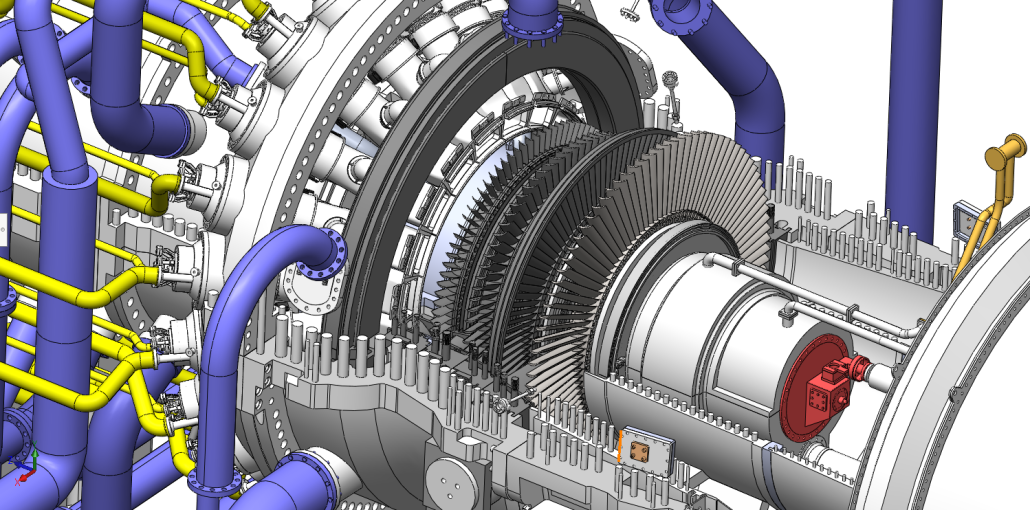
Finite Element Analysis (FEA) is commonly used to evaluate the structural behavior of mechanical components under various loading conditions. Using numerical methods, FEA divides a complex geometry into smaller elements so that stresses, deformations, and safety factors can be calculated. This method allows engineers to identify potential structural weaknesses, optimize material usage, and ensure that components meet safety requirements before manufacturing begins.

Computational Fluid Dynamics (CFD) is applied to analyze fluid flow, heat transfer, and aerodynamic performance in engineering systems. CFD simulations solve the governing equations of fluid motion and energy transport to predict how fluids behave in complex geometries. These simulations are widely used in industries such as energy, HVAC, industrial equipment, and transportation systems to improve performance and efficiency. By integrating CFD analysis into the design process, engineers can evaluate different design options and optimize systems such as pumps, heat exchangers, ventilation systems, and aerodynamic structures.
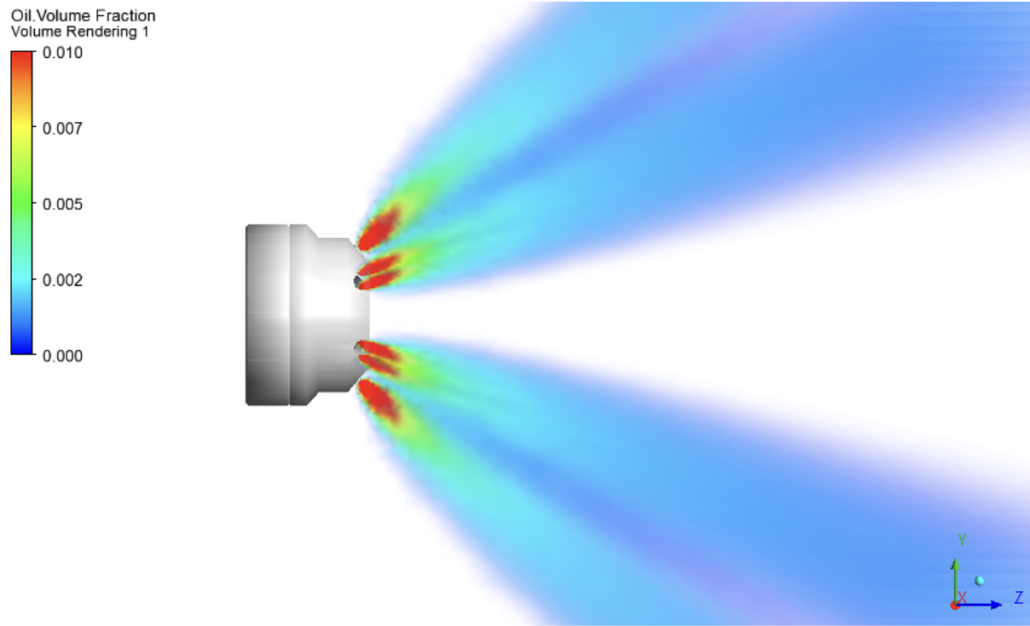
In addition to engineering analysis, PT Tensor also supports industrial design and product development activities. Industrial design focuses on creating products that are functional, manufacturable, and suitable for their intended use environment. The design process may include concept development, product architecture, component design, and design refinement. By combining industrial design with engineering simulation, products can be developed with improved performance and reduced development risk.
